IFAB to Review VAR Extensions and Offside Law Adjustments!
They are The International Football Association Board (IFAB) is set to discuss expansion the scope of Video Assistant Referee (VAR) during their meeting next week. Below you will see complete information that has been summarized by The Football Breakdown.
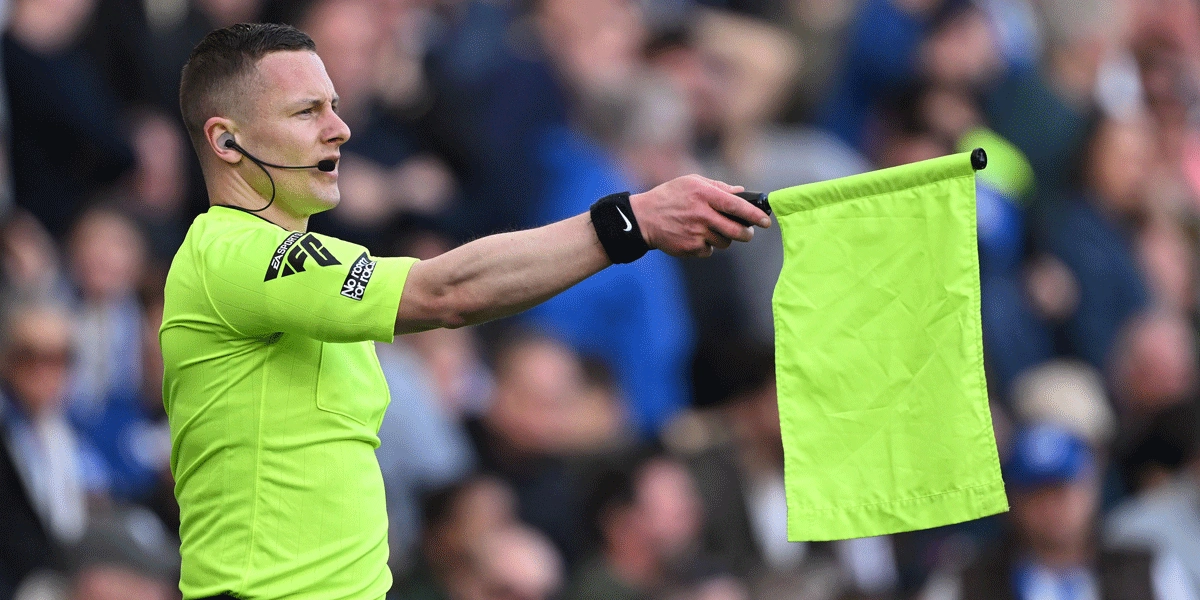
One of the main topics could be allowing VAR to review second yellow card decisions, an area currently outside its remit. This debate comes after Olympiacos midfielder Santiago Hezze was controversially sent off against Barcelona in the Champions League. They received a second yellow for a minimal contact incident with Marc Casado.
Replays showed little to no contact between the two players, but the Barcelona player’s reaction convinced Swiss referee Urs Schnyder to issue the card. Under current rules, VAR cannot intervene in such cases, highlighting potential gaps in the protocol. IFAB’s football and technical panels, which include former players and refereeing experts. So may consider whether these limitations should be adjusted to enhance fairness.
This discussion is an early stage in a process that could ultimately lead to changes approved by IFAB directors. They are including representatives from the UK’s football associations and FIFA secretary-general Mattias Grafstrom. Any changes would aim to balance technological support with referee autonomy.
Concerns and Considerations
The introduction of VAR has always sparked debates, particularly about second yellow cards. While extending VAR’s authority might improve decision-making. There are concerns that it could inadvertently alter referees’ behavior, making them hesitant to award initial cautions. This balancing act is crucial to maintain the flow and integrity of the game.
The panels are also expected to consider additional measures to address time-wasting. So building on the success of the eight-second rule for goal kicks out of hand. Discussions may include introducing time limits for throw-ins and dead-ball goal kicks. Trials of any new protocols could be approved at IFAB’s annual business meeting in January.
Ultimately, the aim is to enhance football while keeping the laws applicable and understandable at all levels, from grassroots to top professional competitions.
Read Also: Nottingham Forest ‘Can Finally Breathe’ As Dyche Delivers Win
Offside Law Review
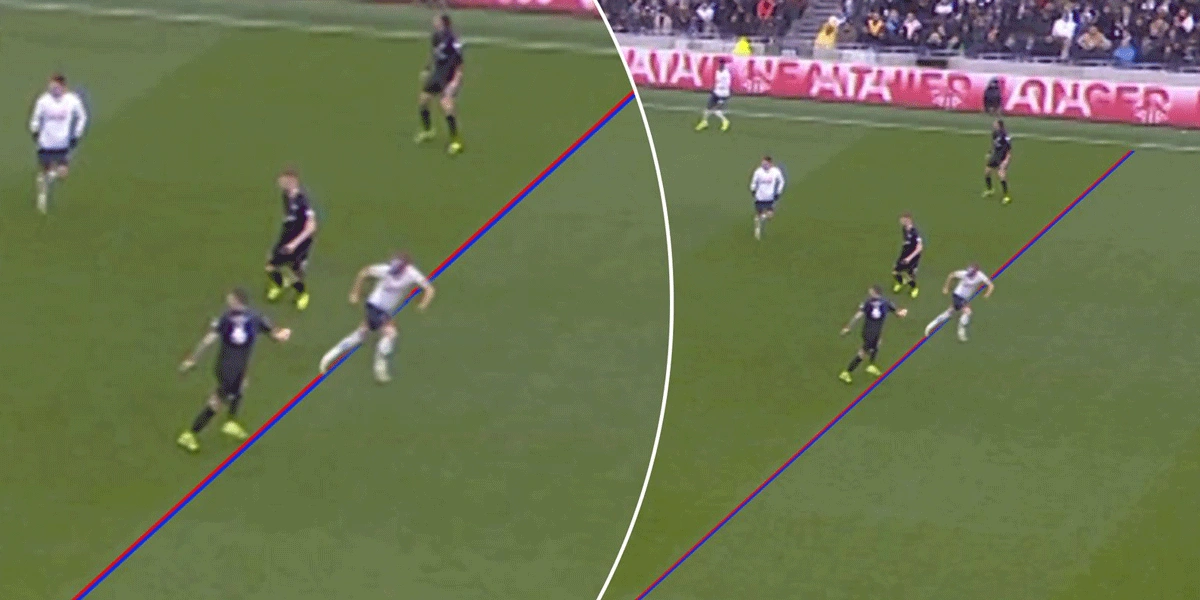
Alongside VAR, the IFAB panels will examine offside law trials, specifically the ‘daylight’ offside concept. This law states that an attacker is considered onside if any part of the body that can score is level with the second-last defender. Initially delayed due to the COVID-19 pandemic, trials have now occurred in youth competitions in countries such as China and Canada.
Panelists are expected to discuss the goals of any offside law change: whether to eliminate marginal offsides. So promote attacking play, or improve clarity for players and referees. IFAB emphasizes that changes should not benefit only elite-level football but remain understandable and enforceable across all levels of the game.
Future of Football Laws
IFAB’s upcoming meeting represents a critical step in evolving the laws of the game. The discussion on VAR, offside adjustments, and time-wasting protocols reflects a broader trend of integrating technology without compromising fairness. Decisions made in the coming months could influence global football. They are ensuring rules evolve alongside the modern game while preserving clarity, consistency, and accessibility.
The combination of technological innovation, practical trials, and careful deliberation signals IFAB’s commitment to refining football laws while considering both professional and grassroots players. Also take advantage of your free time to explore more of the latest football news by simply clicking on footballtipsonline.co.uk.