Liverpool Return to Profit Despite Premier League’s Highest Wage Bill
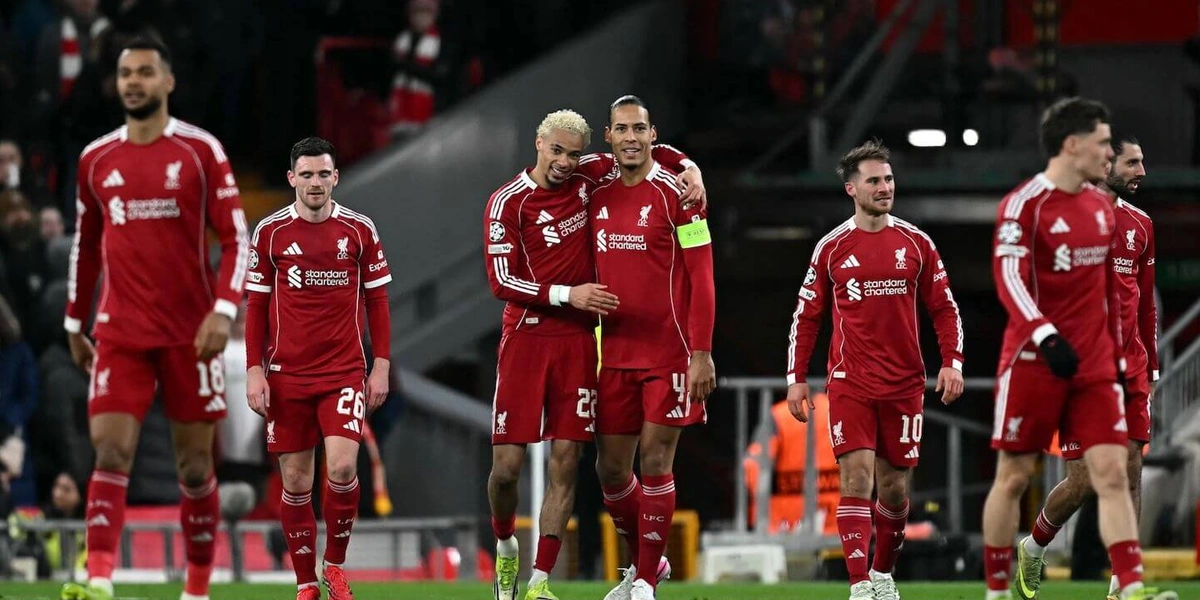
Liverpool have returned to profitability following their Premier League title-winning campaign, posting a pre-tax surplus of £15.2 million. The financial rebound marks a significant turnaround after two consecutive years of losses, highlighting the club’s improved revenue streams and on-field success.
A major contributor to the positive figures was a £60 million rise in media revenue, driven largely by Liverpool’s progression to the Champions League round of 16. This represented a step up from the previous season’s Europa League quarterfinal run and significantly boosted broadcasting income.
Matchday and commercial revenues also played a key role. Increased attendance and strong global partnerships helped elevate overall earnings, reinforcing Liverpool’s status as one of the world’s most commercially powerful football clubs.
Wage Bill Surge: The Cost of Success
Despite the return to profit, Liverpool recorded the highest wage bill in the Premier League, with staff costs rising by £42 million to reach £428 million. Performance bonuses for winning the league, along with contract renewals for stars like Mohamed Salah and Virgil van Dijk, were major factors behind the increase.
The club’s wage expenditure has more than doubled since the 2016–17 season, reflecting both rising player salaries and expanded staffing across football and administrative departments. These figures placed Liverpool ahead of Manchester City, whose employee costs stood at £408 million during the same period.
Such spending underscores the financial demands of competing at the highest level. Maintaining elite talent and supporting infrastructure requires substantial investment, especially for clubs aiming to sustain domestic and European success.
Read Also: Chelsea Stumble at Stamford Bridge as Rosenior Fumes
Revenue Growth Across Media, Matchday, and Commercial Streams
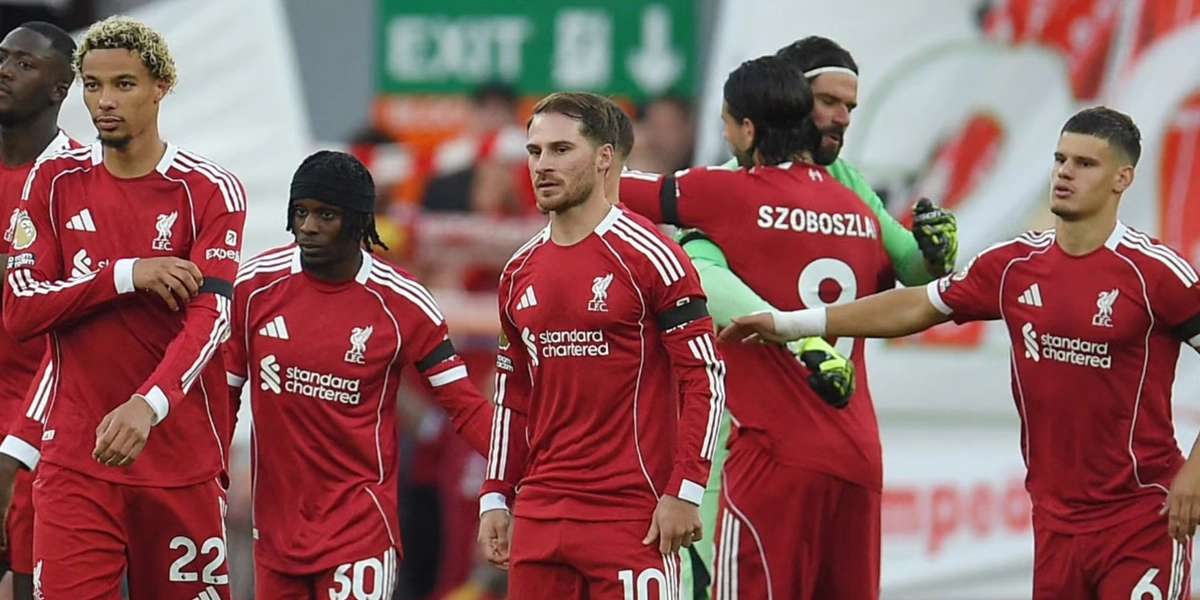
Liverpool’s financial growth extended beyond broadcasting income. Matchday revenue increased by £14 million to £116 million, fueled by strong ticket sales and stadium operations at Anfield. Commercial revenue also rose by £15 million, reaching £323 million thanks to global sponsorships and retail expansion.
These gains demonstrate the club’s diversified revenue model, which blends on-field success with strong off-field business strategies. Liverpool’s global fanbase continues to drive merchandise sales and international partnerships, strengthening long-term financial stability.
However, rising operational costs remain a concern. Utility expenses have surged by 107% over the past four years, while business rates have climbed by 286%, adding pressure to the club’s financial planning despite revenue growth.
Future Investments and Financial Sustainability Goals
Looking ahead, Liverpool have continued to invest heavily in their squad, including major summer signings such as Alexander Isak, Florian Wirtz, and Hugo Ekitike. Although these transfers fall outside the reported financial period, they signal the club’s commitment to sustained competitiveness.
Chief financial officer Jenny Beacham emphasized the importance of balancing ambition with sustainability. Liverpool aims to grow revenue streams while adhering to football’s financial regulations, ensuring long-term stability for both men’s and women’s teams.
The club’s strategy focuses on expanding partnerships, enhancing retail operations, and serving its global fanbase more effectively. By combining smart financial management with strategic investment, Liverpool hopes to maintain success both on and off the pitch in the years ahead. Stay tuned for more interesting football discussions only on footballtipsonline.co.uk.